Mapping Firmware Renewal Cycles with Authorization Timing for Temporary Vendors Managing Recurring Charges Across Borders
Written by Taylor Long · Oct 16, 2026
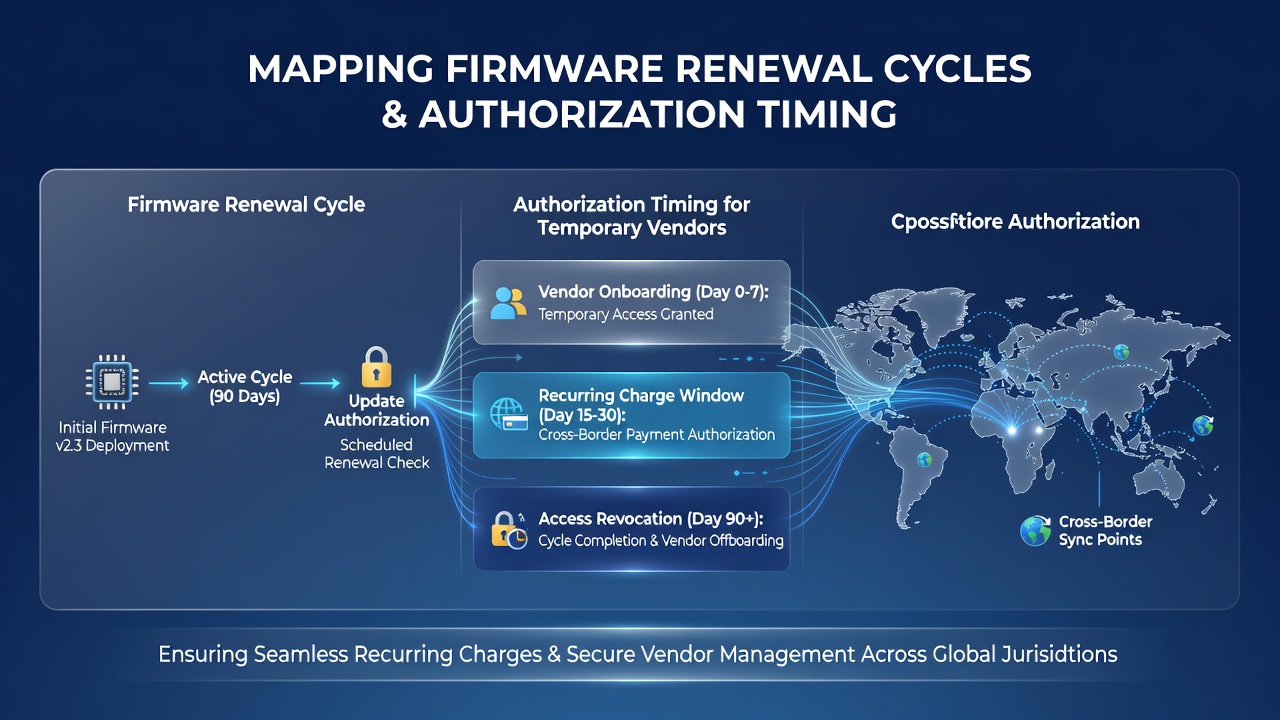
Mapping Firmware Renewal Cycles with Authorization Timing for Temporary Vendors Managing Recurring Charges Across Borders
Observers note that temporary vendors handling recurring charges across borders face distinct operational pressures when firmware renewal cycles intersect with authorization timing requirements, and data from payment networks shows these alignments directly influence transaction success rates in multi-jurisdictional setups. Researchers have documented how portable terminals used by short-term sellers require coordinated updates to maintain compliance while processing subscription-style payments that span different regulatory environments, and figures from industry reports indicate that mismatched schedules often lead to declined authorizations during peak event periods.
Core Components of Firmware and Authorization Alignment
Experts have observed that firmware renewal cycles for wireless terminals typically follow manufacturer-defined intervals of 90 to 180 days, yet authorization timing for recurring charges demands real-time validation against issuer systems that operate on separate clocks, and studies from payment processors reveal that temporary vendors who map these timelines in advance reduce processing interruptions by measurable margins. Those who've examined cross-border operations find that vendors managing recurring charges must account for varying settlement windows in regions such as the European Union and North America, where data indicates authorization holds can extend from seconds to several hours depending on currency conversion and compliance checks.
One study revealed that portable devices used at temporary market events require firmware patches to address security vulnerabilities before they process the next billing cycle, while authorization sequences must remain uninterrupted to avoid failed recurring charges that accumulate across borders. Researchers discovered that synchronization protocols linking these elements allow vendors to schedule updates during low-volume windows, and evidence suggests such planning prevents the cascading declines that occur when a terminal's encryption keys expire mid-transaction.
Cross-Border Considerations for Temporary Vendors
Analysts tracking global subscription models report that temporary vendors encounter additional layers when recurring charges cross currency zones, because authorization timing must incorporate real-time exchange rate checks and local regulatory holds that firmware updates can inadvertently disrupt. Data shows that terminals operating in multiple jurisdictions often require region-specific firmware variants, and observers note that vendors who coordinate renewal cycles with these variants maintain higher approval rates for recurring payments during events spanning several countries.
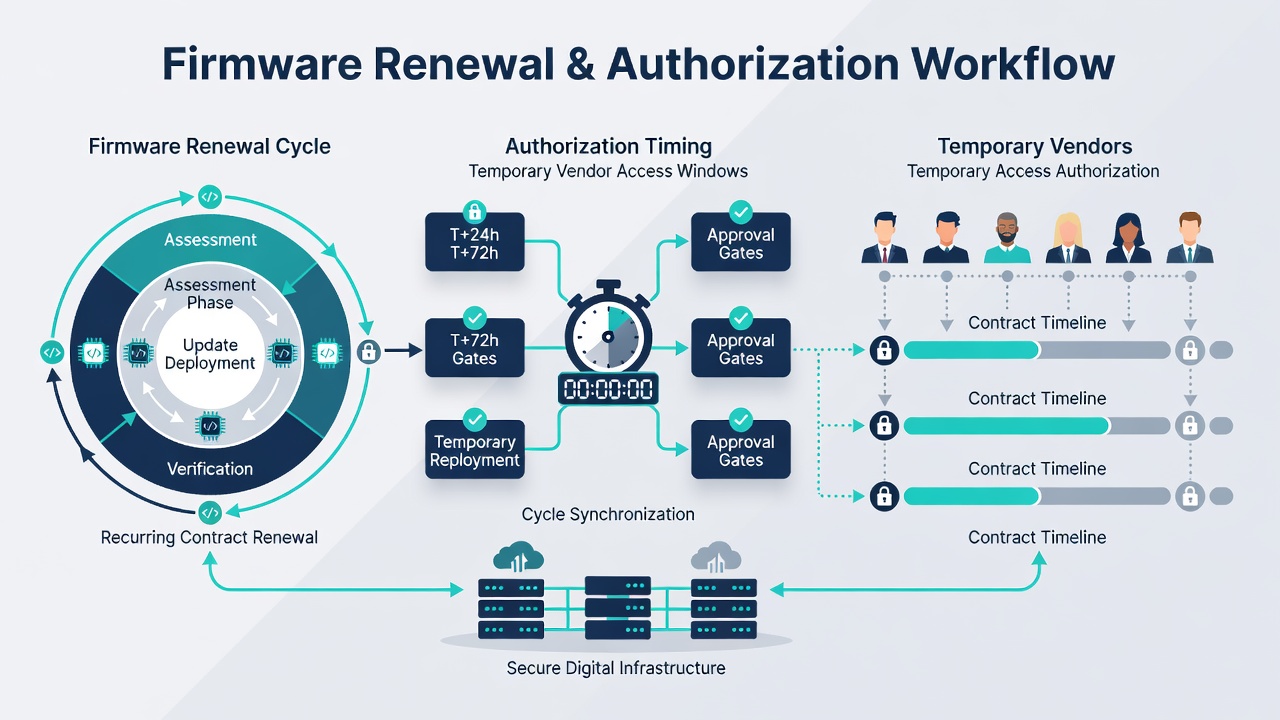
According to a Federal Reserve analysis of payment system performance, temporary sellers managing recurring charges across borders experience fewer disputes when authorization pathways remain stable during firmware transitions, and the report highlights examples where vendors aligned device updates with issuer maintenance windows to sustain charge continuity. What's interesting is how regulatory shifts scheduled for October 2026 in certain Asia-Pacific markets will introduce new encryption standards that directly affect both firmware cycles and authorization sequences for portable terminals used by short-term vendors.
Practical Mapping Approaches in Use
Industry reports indicate that mapping tools now integrate calendar data from payment gateways with firmware release schedules provided by terminal manufacturers, allowing temporary vendors to forecast potential conflicts before they affect recurring charge processing. People who've studied these systems find that color-coded timelines help identify periods when authorization windows overlap with mandatory updates, and data from multi-currency platforms shows this visibility reduces the frequency of declined transactions during international events.
There's this case where experts found that vendors at large public gatherings synchronized their terminal firmware renewals with authorization retry logic, which prevented interruptions in recurring billing across borders, and the approach relied on pre-loaded compliance certificates that remained valid through the update window. Research indicates that such coordination becomes especially relevant when temporary vendors operate under time-limited permits that coincide with billing cycles spanning multiple tax jurisdictions.
Regulatory and Technical Intersections
Evidence from the Bank of Canada payment studies demonstrates that cross-border recurring charges require terminals to maintain current firmware for PCI compliance, while authorization timing must accommodate varying hold periods enforced by different central banks, and vendors who track both elements report smoother fund transfers. Observers note that October 2026 will bring updated standards in several jurisdictions that affect how firmware patches interact with real-time authorization checks for temporary market participants.
Those managing short-term vendor networks often discover that ledger alignment protocols benefit from firmware renewal schedules that include buffer periods around authorization peaks, and figures reveal measurable improvements in transfer success when these buffers account for cross-border settlement delays. A research paper from the University of Melbourne's payments research group outlines how portable units used in event-based sales maintain authorization continuity when firmware updates are sequenced after daily recurring charge batches complete.
Conclusion
Mapping firmware renewal cycles with authorization timing provides temporary vendors a structured method for managing recurring charges across borders, and available data confirms that coordinated approaches support consistent transaction flows in dynamic regulatory environments. Researchers continue to track how emerging standards, including those expected in October 2026, will shape these alignments for portable payment systems used by short-term sellers operating internationally.