Aligning Device Lifecycle Stages with Approval Processing Speeds in International Temporary Payment Networks
Written by Taylor Long · Sep 18, 2026
Aligning Device Lifecycle Stages with Approval Processing Speeds in International Temporary Payment Networks
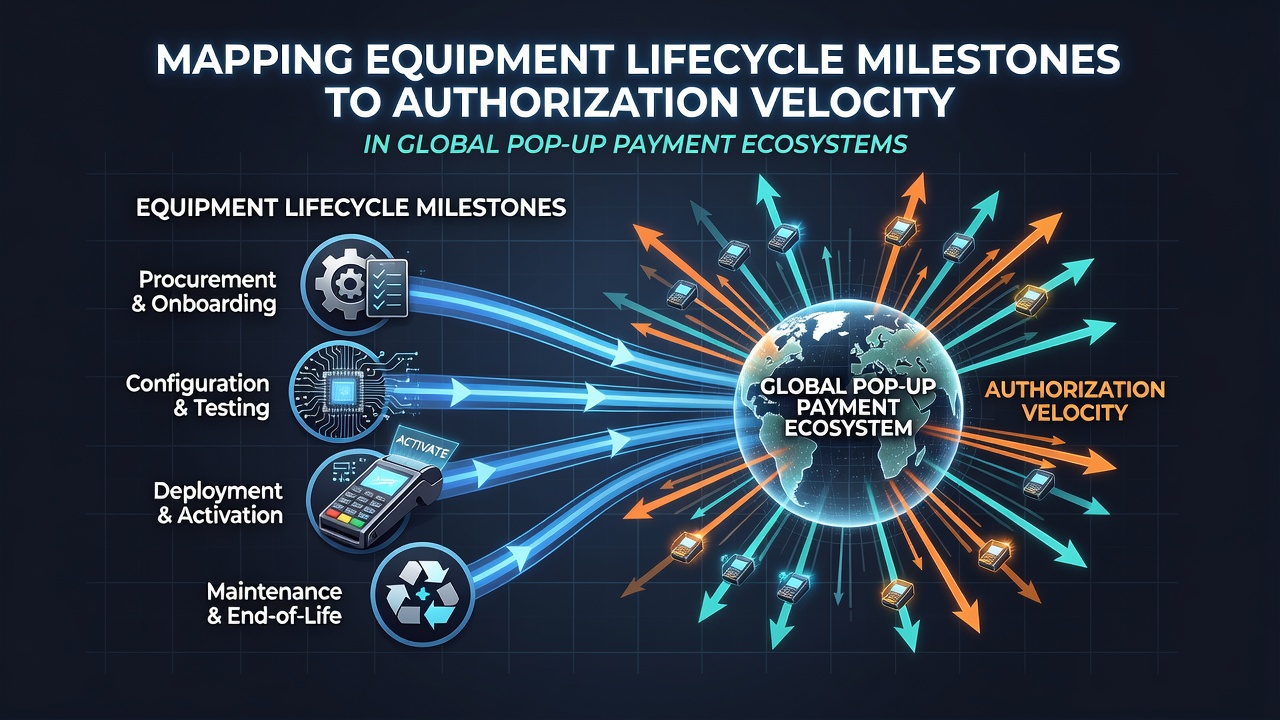
Equipment lifecycle milestones in global pop-up payment ecosystems connect directly to authorization velocity through coordinated certification, refresh, and update schedules that processors manage across multiple jurisdictions. Observers note that terminals deployed for temporary retail events undergo distinct phases including initial certification, firmware updates, and end-of-life replacement, each of which affects how quickly transactions receive approval from acquiring banks and card networks.
Core Phases of Terminal Lifecycles
Initial certification requires terminals to pass PCI PTS and EMVCo evaluations before deployment in pop-up environments, and data from the PCI Security Standards Council shows that certified devices achieve faster authorization responses because they meet encryption and key management requirements from the outset. Researchers at institutions such as the University of Melbourne have documented how delays in certification push back deployment timelines, which in turn slows transaction approval rates during peak event periods when networks experience higher volumes.
Subsequent milestones include scheduled firmware patches and encryption key rotations that vendors coordinate with network operators. Those who track these updates report that synchronized rotations prevent authorization declines caused by expired keys, particularly in multi-currency setups where terminals handle transactions across different regulatory zones. In September 2026 new EMVCo guidelines are scheduled to require enhanced contactless protocols for wireless devices, and operators who align their refresh cycles with this date expect measurable improvements in approval speeds during large-scale temporary market events.
Connecting Milestones to Authorization Metrics
Authorization velocity measures the time from transaction initiation to response, and lifecycle events influence this metric through hardware compatibility and security compliance. Processors map certification dates to performance logs, revealing that devices past their recommended refresh window show increased latency because older processors handle cryptographic operations more slowly. Industry reports from the European Central Bank indicate that terminals refreshed within prescribed intervals maintain average authorization times below two seconds even during high-volume pop-up deployments in cross-border settings.
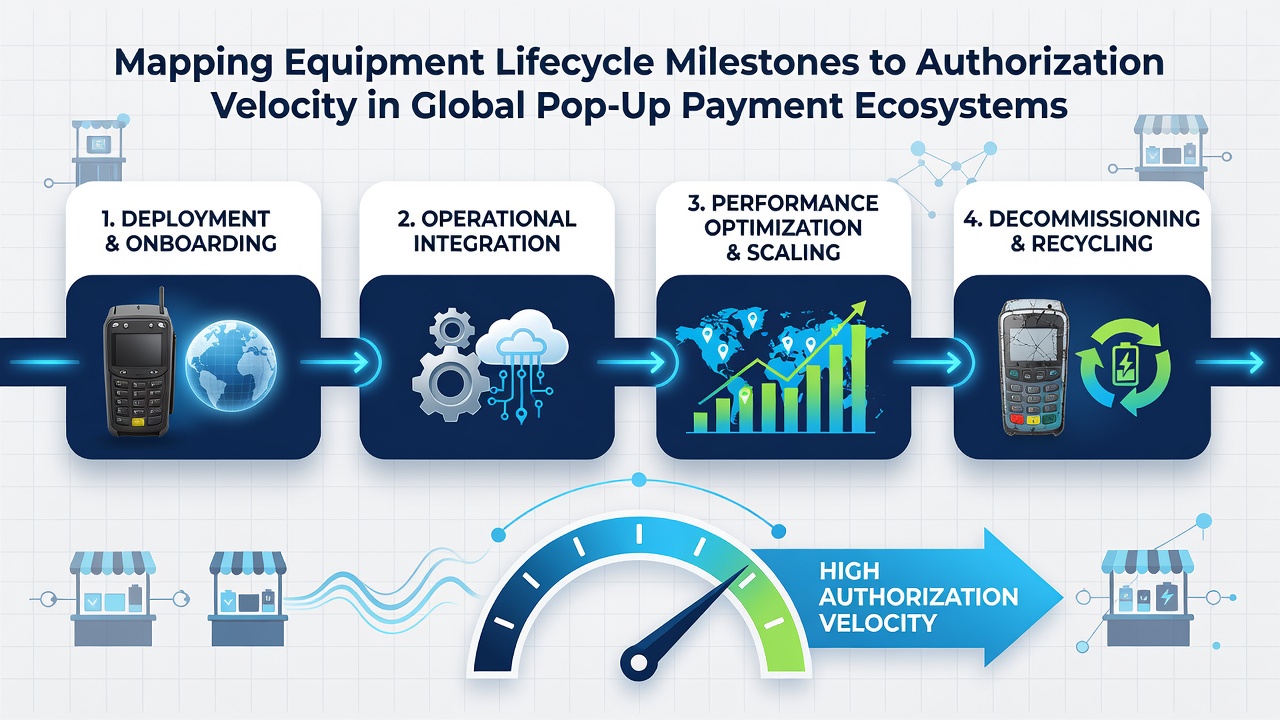
Pop-up ecosystems introduce additional variables because terminals move between locations with differing regulatory expectations. Experts tracking vendor record-keeping sequences find that accurate logging of device status allows faster onboarding when equipment relocates to new markets, which reduces the time required for initial authorization checks. One study from the Reserve Bank of Australia examined event-based networks and noted that operators who maintained detailed milestone records experienced fewer interruptions in approval flows during seasonal international gatherings.
Practical Mapping Approaches
Merchants and processors create timelines that overlay equipment milestones onto expected authorization performance curves. These maps highlight periods when certification renewals or hardware refreshes coincide with anticipated spikes in transaction volume, allowing preemptive adjustments that preserve velocity. Data compiled by regional payment associations shows consistent patterns where proactive mapping reduces decline rates by aligning key rotations with network maintenance windows.
Portable units used in multinational setups require particular attention because battery degradation and connectivity changes over the device lifespan can compound authorization delays. Those who coordinate hardware refresh timelines with encryption updates across multi-currency platforms report steadier approval speeds, especially when devices operate in temporary market events spanning multiple jurisdictions.
Regional Considerations and Data Sources
Different regions apply varying requirements that affect how lifecycle milestones translate into authorization outcomes. Canadian regulatory frameworks emphasize rapid key rotation schedules, while Australian guidelines focus on firmware currency for contactless acceptance. Observers comparing these approaches note that operators who adapt their mapping practices to each jurisdiction maintain more consistent velocity across global pop-up deployments.
Additional insights come from academic analyses of transaction logs collected during large public events, where researchers correlate device age with response times. These studies reinforce the value of treating lifecycle management as an integrated component of authorization optimization rather than a separate maintenance task.
Conclusion
Mapping equipment lifecycle milestones to authorization velocity provides payment operators with a structured method for maintaining performance across global pop-up ecosystems. By aligning certification, updates, and replacements with transaction processing requirements, networks sustain faster approval rates even as devices move through temporary deployments in diverse regulatory environments. Continued attention to these connections supports reliable operations as standards evolve through 2026 and beyond.